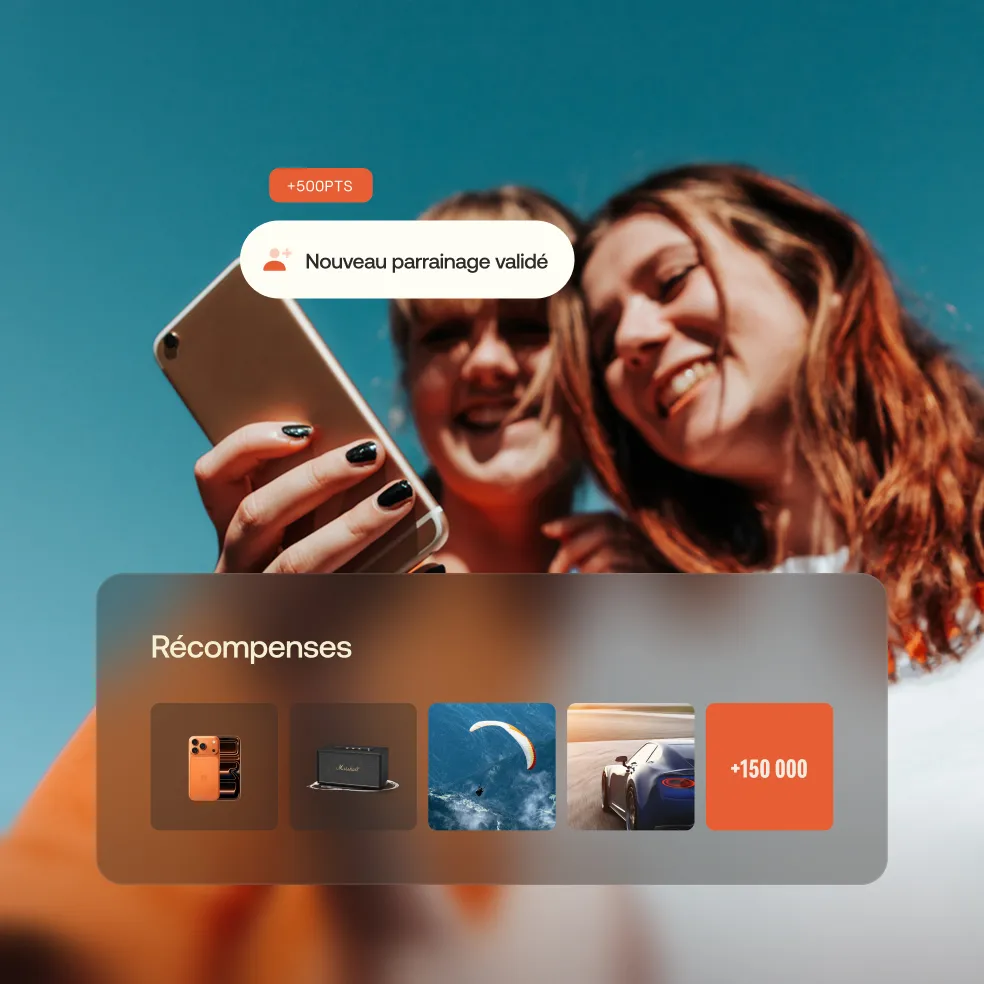
Experiential marketing has become essential for brands looking to connect more deeply with their customers, partners, and prospects. At a time when consumers prioritize authentic relationships and memorable experiences, companies must transform every interaction into an impactful moment.
What is experiential marketing?
Experiential marketing involves creating immersive, emotional experiences that pull the consumer into the brand's world. The idea is to go beyond simply showcasing a product or service by engaging customers directly and personally, often through unforgettable activations. Unlike traditional marketing, this approach aims to stimulate interaction by creating unique memories, thereby increasing customer engagement and loyalty.
This strategy meets the needs of today's consumers, who are no longer satisfied with just buying a product, but are looking for values, stories, and emotions they can identify with. RewardPulse facilitates this process by allowing companies to design and deploy unique, personalized experiences that resonate with their audiences.
Discover the experiential marketing solutions offered by RewardPulse:
Types of experiential marketing
Experiential marketing strategies vary depending on the brand's goal and its audience:
- Exclusive events to celebrate the most loyal customers or launch a new product.
- Immersive workshops allowing participants to discover the brand's world in an active way.
- Pop-up stores or temporary kiosks to reach a local audience and make a lasting impression.
- Online and augmented reality activations : an increasingly popular digital format that enhances immersion.
Experiential marketing trends: a quest for authenticity and emotion
Today, consumers are looking for more than traditional monetary benefits such as discounts or cashback. The overabundance of standardized promotions and rewards has led to a certain weariness : customers no longer want simple discounts, but meaningful experiences.
This quest for authenticity and emotion paves the way for experiential marketing strategies focused on creating memories and personal value. Brands are investing in immersive experiences that go beyond the act of purchasing to captivate the customer and offer them special moments.
Whether it involves exclusive events, cultural discoveries, athletic challenges or wellness moments, experiential marketing meets this growing demand for personalization and emotional involvement. By focusing on engagement and emotion, brands build lasting customer loyalty and differentiate themselves effectively in a saturated market.
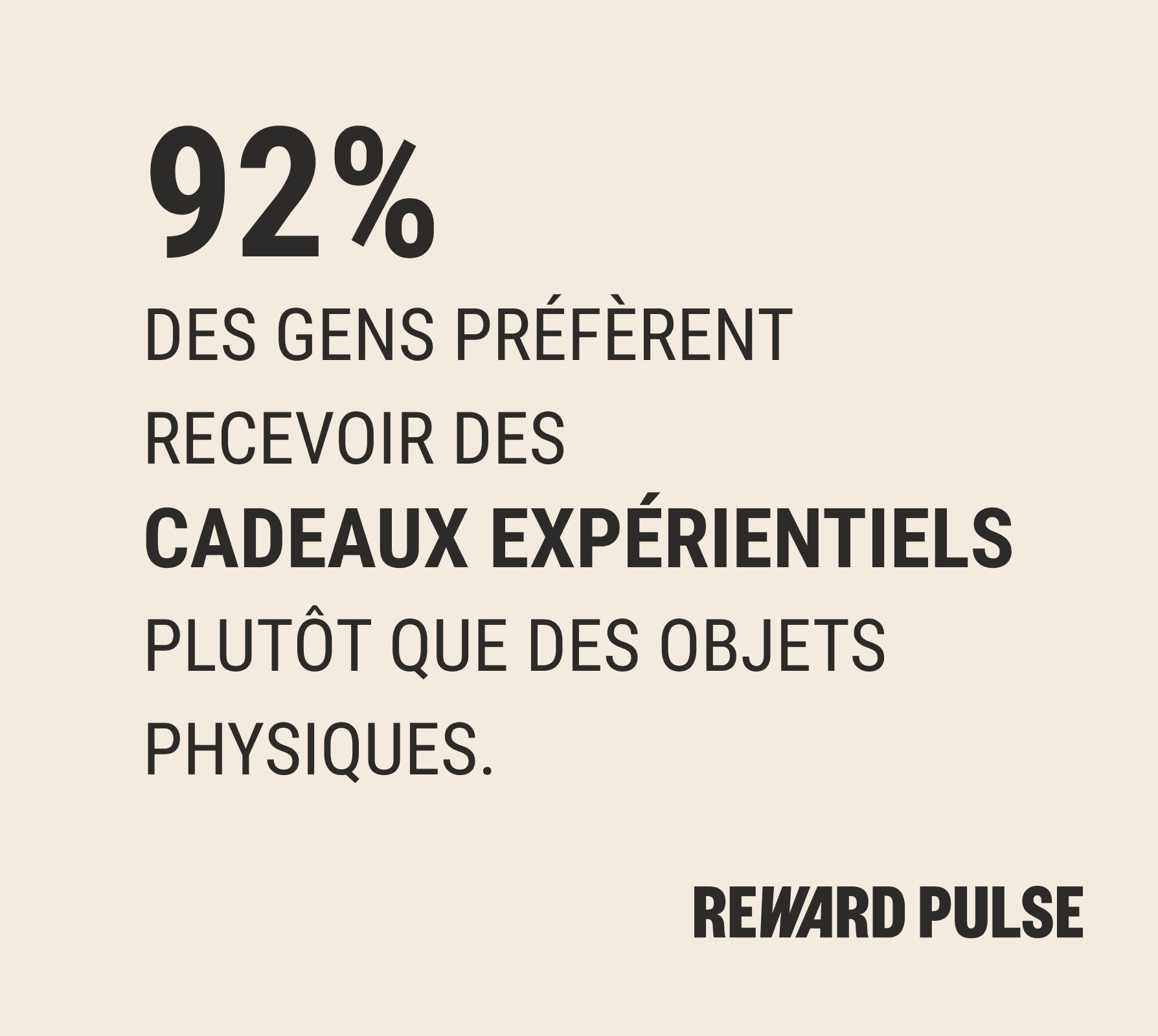
Why is experiential marketing so powerful?
- Creates emotions and strengthens attachment By stimulating emotions, experiential marketing leaves a lasting impression. A customer who has a positive experience is more likely to remember the brand and recommend it to others.
- Increases engagement and purchase intent Immersive experiences turn the consumer into an active participant in their relationship with the brand, thereby increasing the likelihood of repeat business. The satisfaction derived from these special moments has a direct impact on purchase intent.
- Amplifies word-of-mouth Memorable experiential campaigns encourage sharing, whether online or through direct recommendations. This viral effect contributes to brand awareness and reach.
Experiential marketing: examples
- Loyalty through premium experiences Many brands, such as luxury retailers, organize exclusive events for their top clients. RewardPulse, for example, supports brands by enabling them to create immersive experiences tailored to the expectations of VIP customers, such as personalized stays or exclusive workshops.
- Incentives for sales teams Incentive programs are an excellent way to motivate employees and business partners. By incorporating experiential rewards, such as sports or cultural activities, brands increase engagement and strengthen team dynamics.
- Immersive digital activations Experiential marketing is no longer limited to physical events. Thanks to virtual and augmented reality tools, brands can host product launches or immersive demonstrations online. This allows brands to expand their reach and connect with geographically distant audiences.
- Holiday-themed loyalty program Imagine a retail brand that decides to reward its best customers with an immersive holiday experience. Participants can create their own Christmas decorations or choose a personalized gift offered by the brand, strengthening their attachment and sense of belonging.
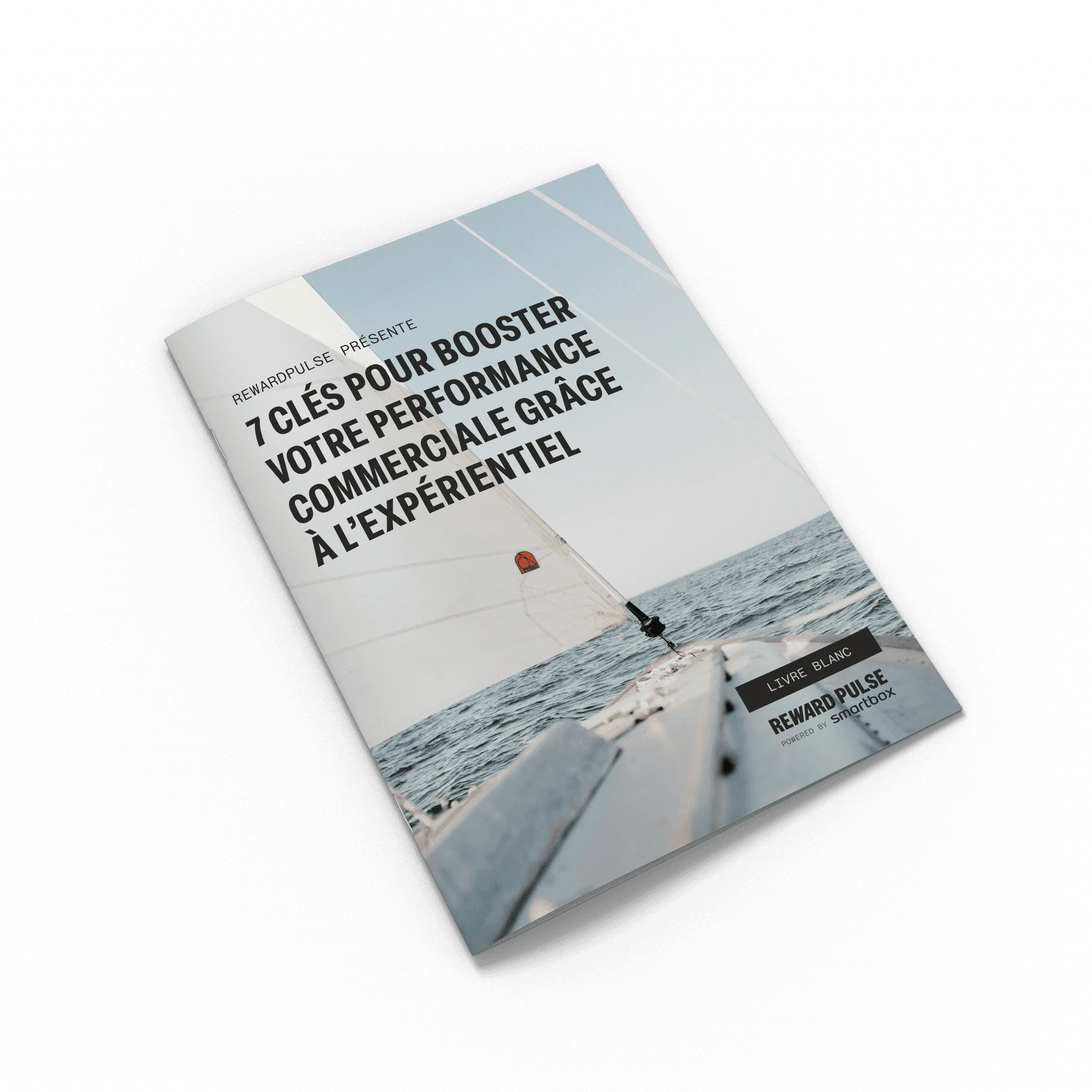
Discover our white paper dedicated to experiential marketing:
Designing an experiential marketing strategy in 3 steps
- Set clear and measurable goals Before launching a campaign, it is essential to define precise objectives: are you looking to improve customer loyalty, boost brand awareness, or increase acquisition? Tools like those from RewardPulse allow you to track the results of each activation in real time, making it easier to optimize your strategy.
- Personalize the customer experience Personalization is crucial to maximizing the impact of an experiential campaign. By segmenting your audience and creating experiences tailored to different customer profiles, brands ensure they capture attention and spark positive emotions.
- Analyze data to improve strategy Tracking KPIs in real time allows you to adjust your actions while the campaign is running. RewardPulse, for example, offers detailed dashboards to evaluate the impact of each experience and optimize return on investment.
The challenges of experiential marketing and how to overcome them
While experiential marketing offers many benefits, it also comes with specific challenges:
- Cost management Immersive experiences can require a significant investment. However, by setting a precise budget and choosing appropriate activations, brands can offer high-quality experiences without breaking the bank.
- Measuring real impact It can be complex to measure the effectiveness of an experiential campaign compared to direct sales. To overcome this obstacle, RewardPulse offers analytical tools that provide visibility into returns in terms of engagement, acquisition, and loyalty.
Conclusion
Experiential marketing is a strategic lever for brands looking to engage and retain their customers for the long term. By creating unique and immersive experiences, companies not only strengthen customer attachment but also optimize their acquisition and retention potential. With solutions like RewardPulse, brands have the tools they need to design, measure, and adjust their campaigns to maximize the impact of every experience. Standing out through experience has never been more essential.
Who we are
At RewardPulse, we are convinced that impactful experiences create stronger bonds than any other marketing action. As specialists in immersive marketing campaigns, we help companies create memorable moments that leave a lasting impression on customers, partners, and prospects.
Through an innovative platform, we provide access to over 150,000 unique experiences across Europe, customizable to meet your loyalty, acquisition, or engagement goals.
Our mission is simple: to turn your commercial initiatives into powerful emotional drivers by building a strong, authentic connection between your brands and your customers.
Prêts à booster vos ventes ?
Lorem Lipsum Pain Sits Amet, Conecteur adipiscing Elite. Suspend varius enim in eros elementum tristique. Suis cursus, mi quivera ornare, eros pain interdum nulla, tu commodo diam libero vitae erat. Aenean Faucibus nibh et justo cursus di rutrum lorem imperdiet. Nunc ut sem vitae rissus sad powder.
request a demo%20(10).png)
.webp)